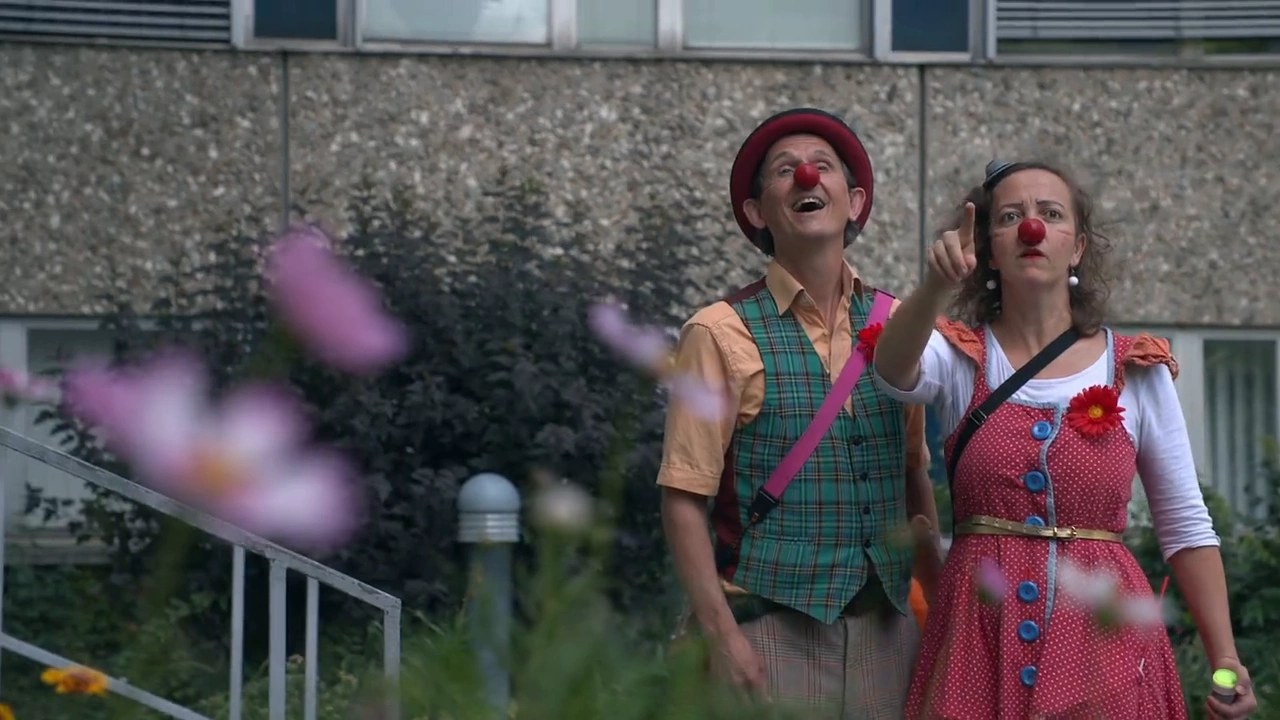
ROTE NASEN Deutschland ↗
Interviews and scenes from clown visits introduce the people behind the organisation.

University film production · Berlin-Adlershof
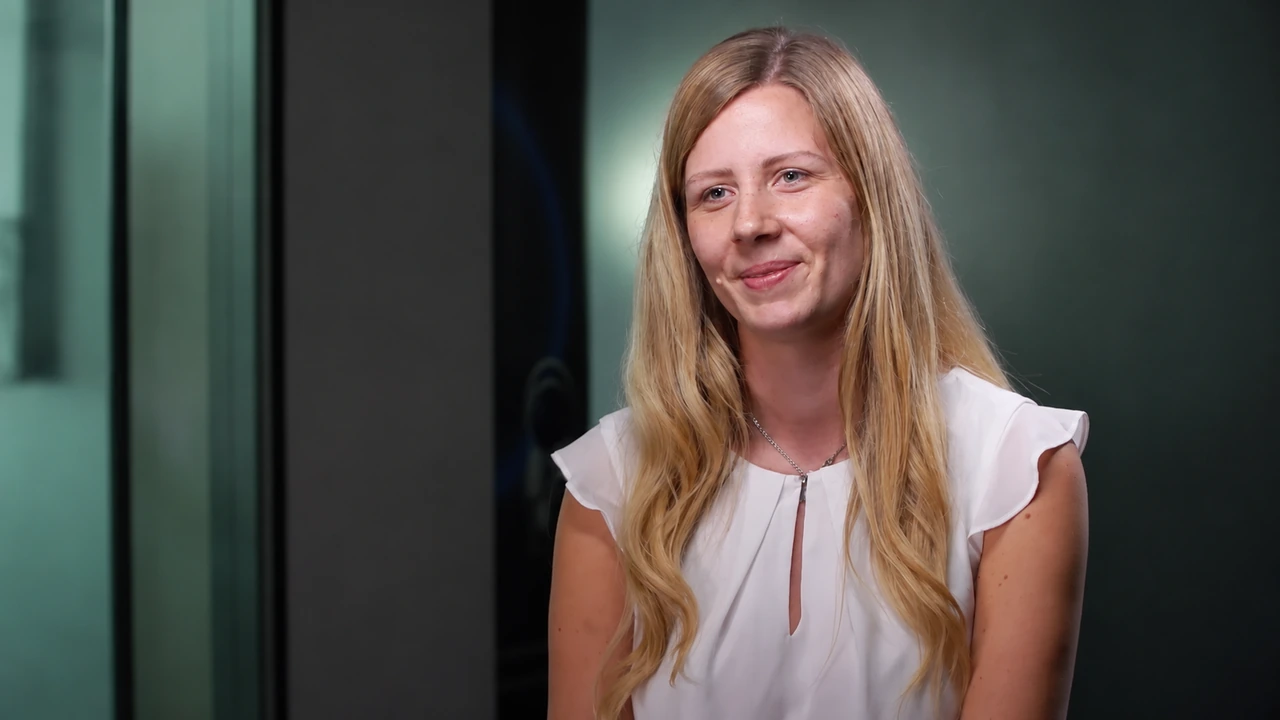
Arty-Shock produced a film introducing HU Berlin’s materials research centre and a second film for prospective students of its Science of Materials master’s programme. We filmed six interviews at six locations over three days in Berlin-Adlershof.
Watch the full filmThe image film · 4:16
Who works at the Center for the Science of Materials Berlin (CSMB), and what are they investigating? The film follows researchers into the lab and shows where the centre sits on the Adlershof campus.
Arty-Shock handled pre-production, filming and editing. For the centre’s film, we chose interview passages in which researchers explain their work. For the programme film, we paired interviews with scenes from lectures and labs so prospective students could picture studying at HU.
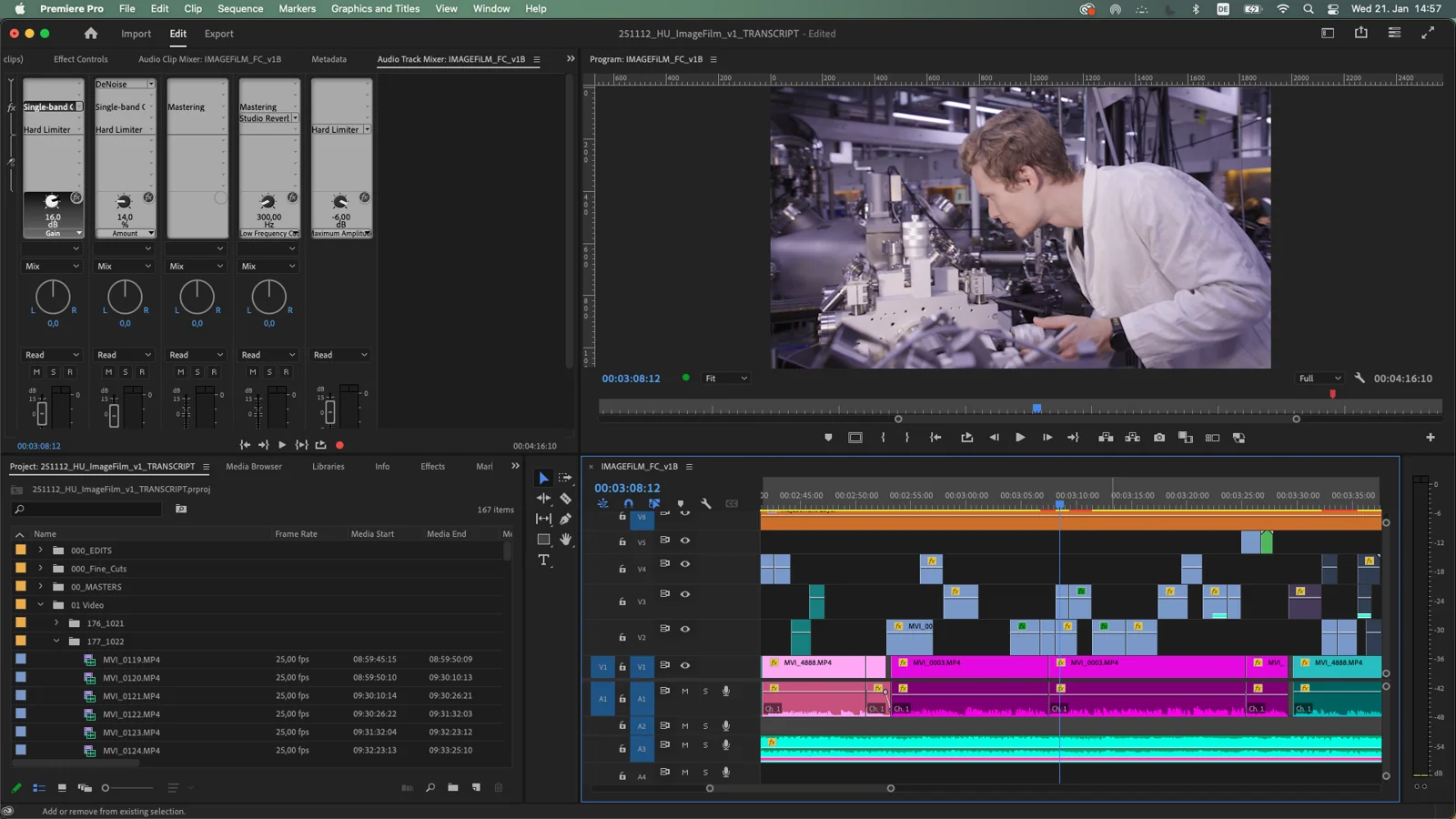
A prospective student wants to know what studying here will feel like. Someone discovering the research centre for the first time wants to know who works here and what they are investigating. Those two questions shaped our pre-production with Jan Zappner.
Jan helped produce the project and conducted all six interviews. Across three shoot days, each conversation took us to a different location. Alongside those interviews, we filmed the work itself, from a researcher looking into an instrument to a lecturer holding up a sample for the room to see.
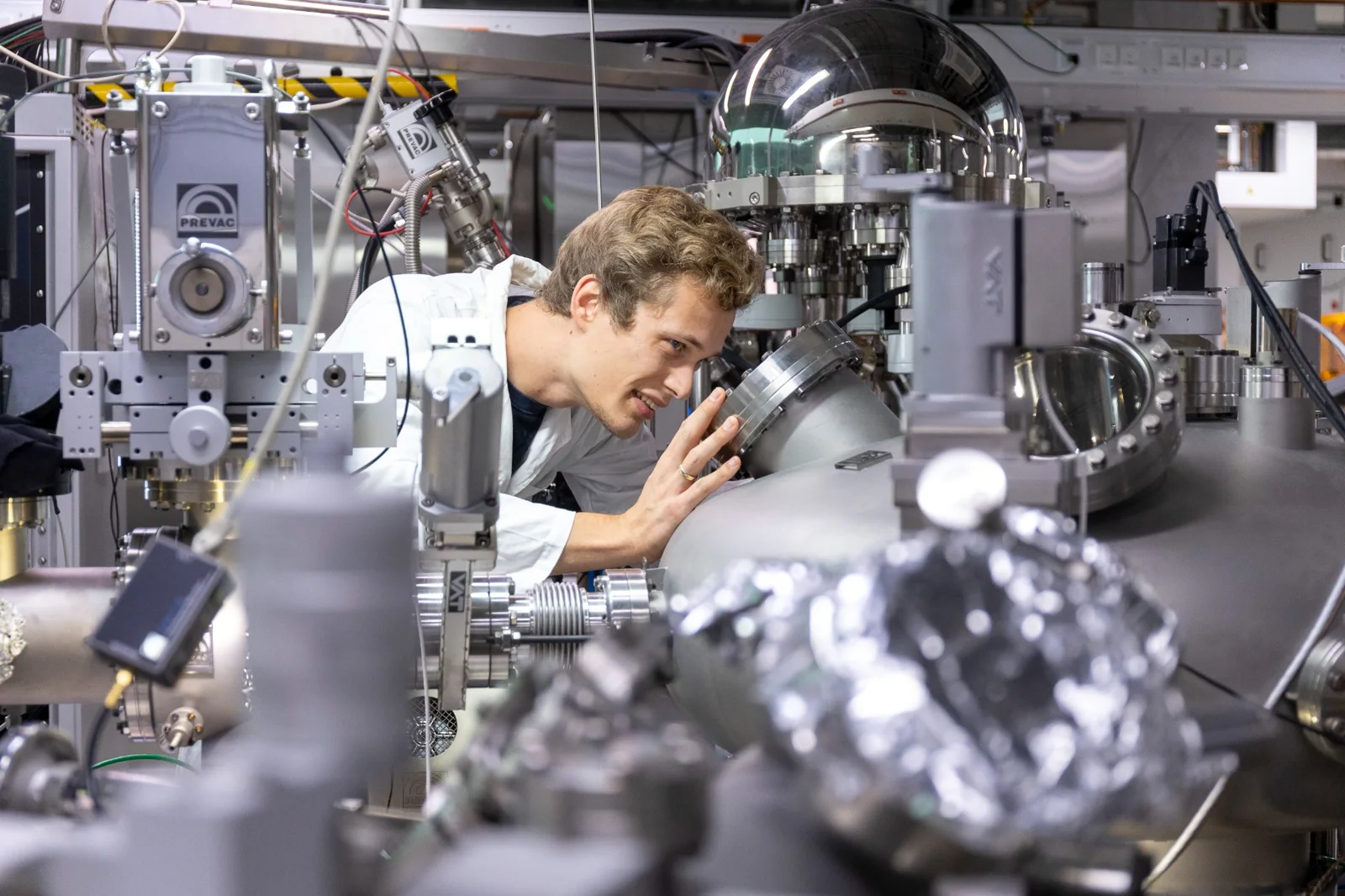
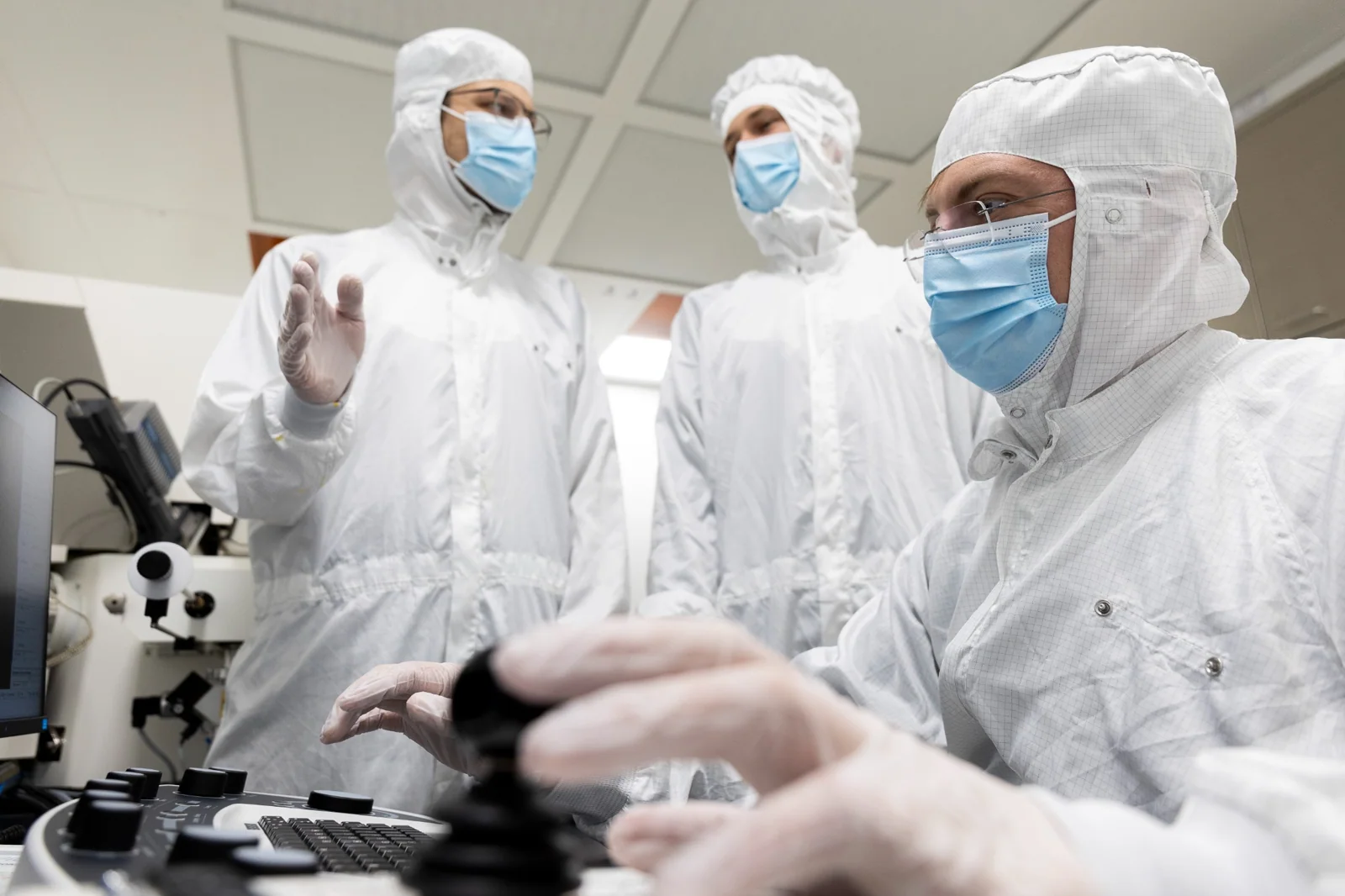
Photography by Jan Zappner
In one lab, the interesting moment was small enough to hold with tweezers. The researcher lifted a round sample over a steel bench. From across the room you could see the protective suits and the equipment. From bench height you could see what everyone was looking at.
We wore cleanroom clothing alongside the researchers. With faces partly covered, hands and eyelines became especially important in the frame. A gloved hand on a control or a glance towards a colleague could tell a viewer where to look next.
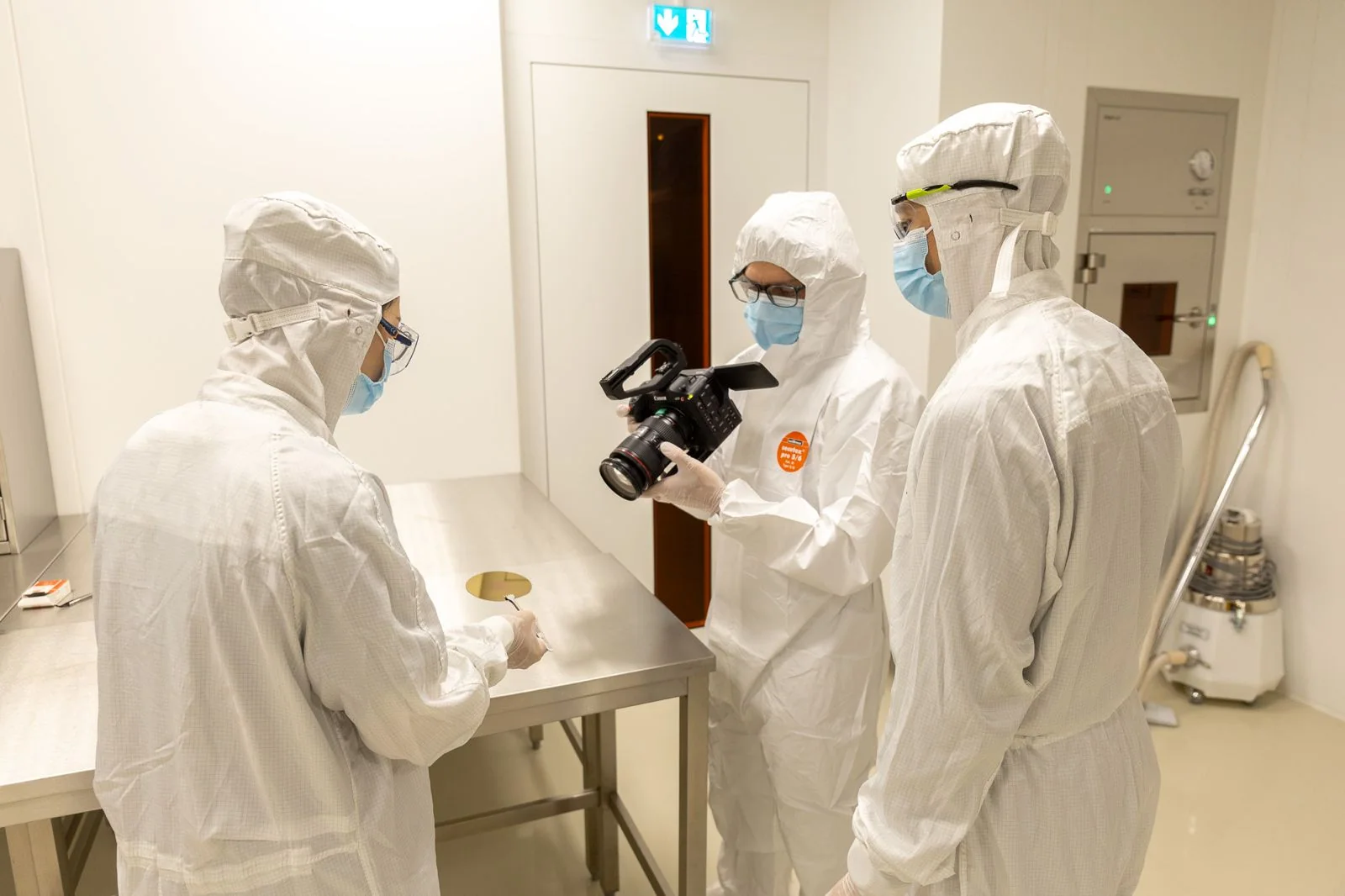
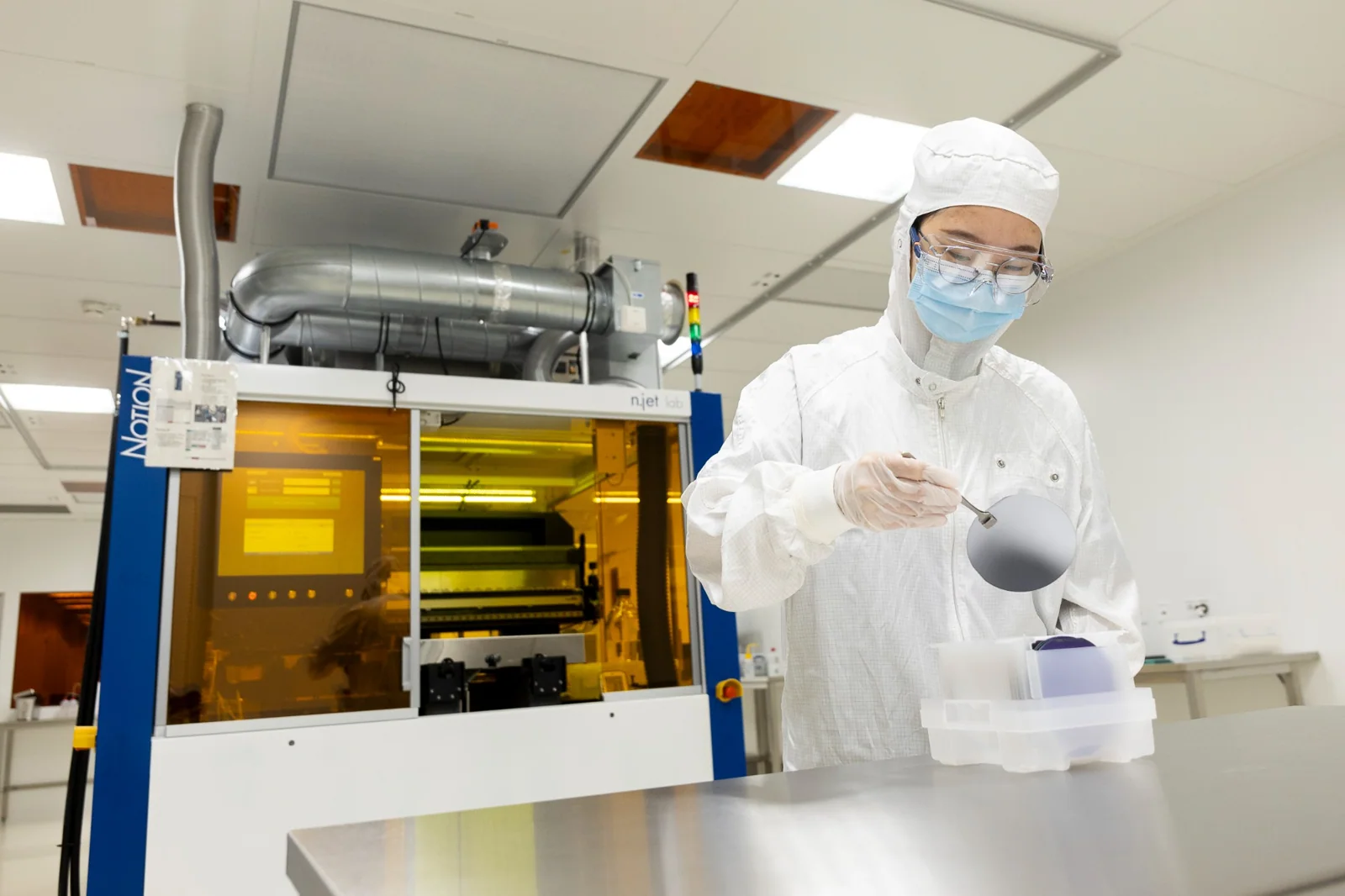
Circular sample photograph · Jan Zappner
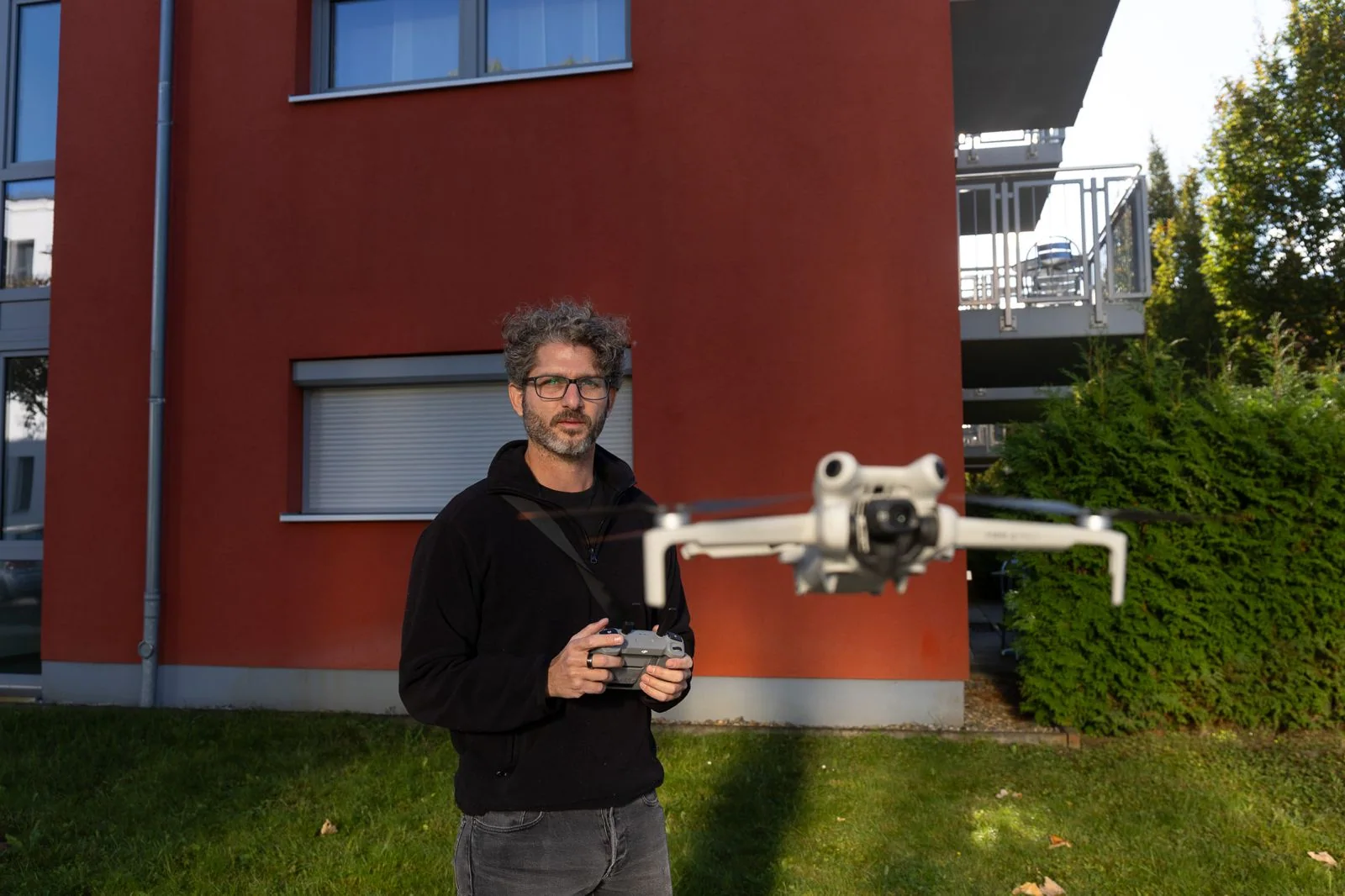
After filming at arm’s length in the labs, Yehuda Swed flew the drone outside. The aerial footage gave us a way to show where those rooms sit in Berlin-Adlershof. On the ground, the scale changed again as we joined a lecture with students watching a demonstration.
The second film
For prospective students, the classroom mattered as much as the lab. The programme film brings the two together so applicants can see the people, teaching and research environment behind the degree.
Interviews and scenes from clown visits introduce the people behind the organisation.
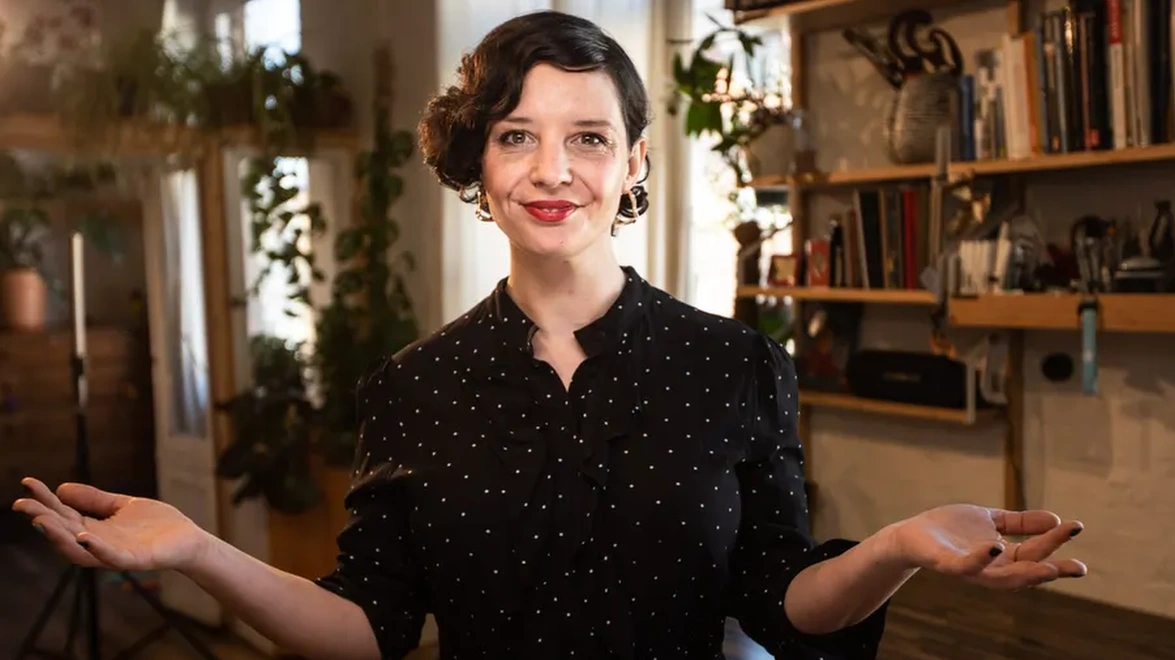
Four coach profiles and a separate welcome film introduce new members to the programme.
Interviews tell the story of the company’s first 20 years in a film made for a cinema screening.